 Juho Karhu
Product Designer
Back to the front page
Juho Karhu
Product Designer
Back to the front page

From app store
to global bank app
As a Lead Product Designer at Doconomy, I have been on a journey to transition and improve a B2C product into a white-labeled B2B2C SaaS product embedded inside consumer banking apps. Working in cross-functional teams, my responsibility has been to lead product design for a product with over 100 000 monthly users. My impact has included shortening and streamlining internal design processes, modernizing the design lifecycle through AI, and facilitating and designing concept work together with clients and partners.
In my work I have worked with clients and partners like Mastercard, UNFCCC, BNP Paribas and other international banks around the world.
The product - Impact Finance
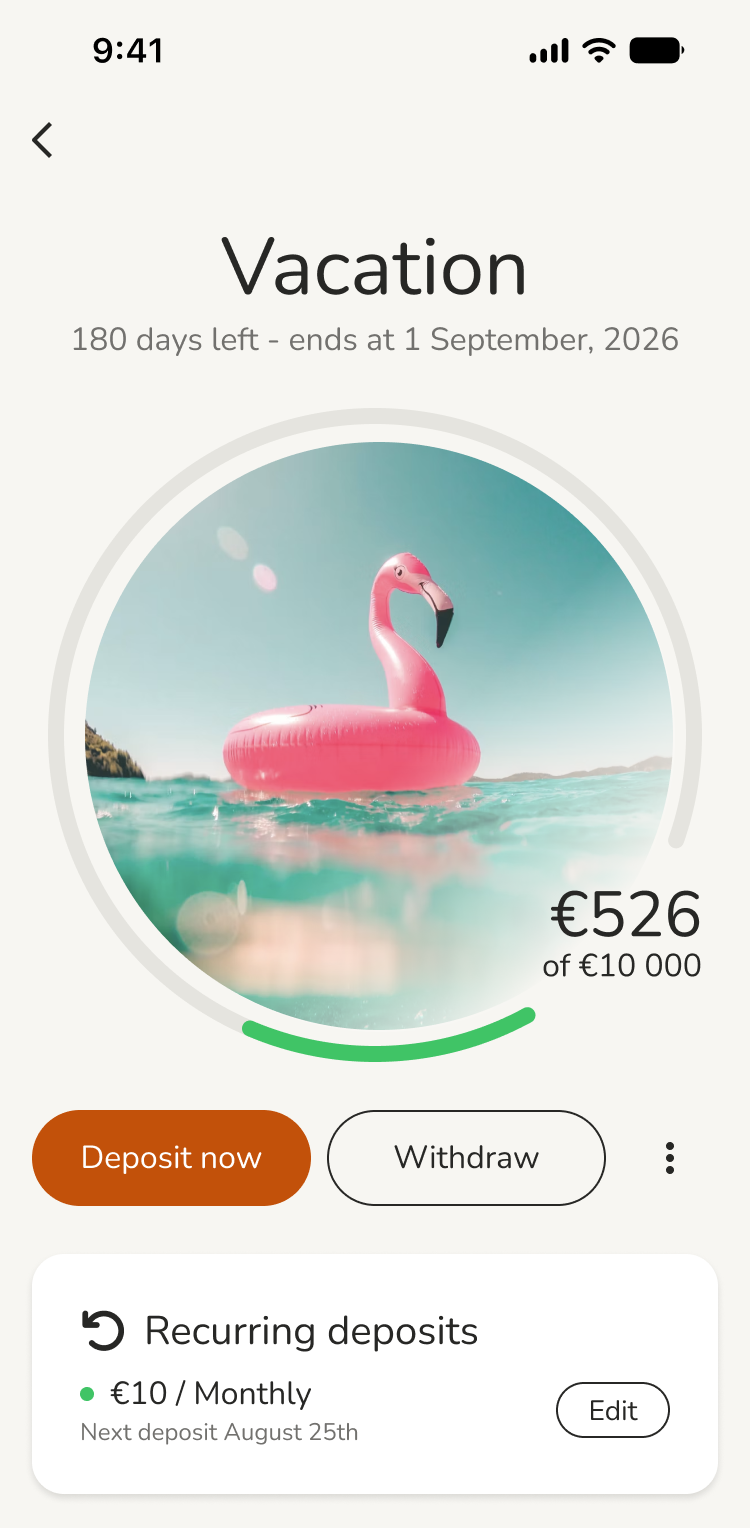
The product is a financial well-being product that makes it easier to save money toward your goals "Dreams" by making them visual and using transaction triggers called “Savehacks.”
- Industry Fintech
- Business type B2B2C
- Impacted users 100 000+
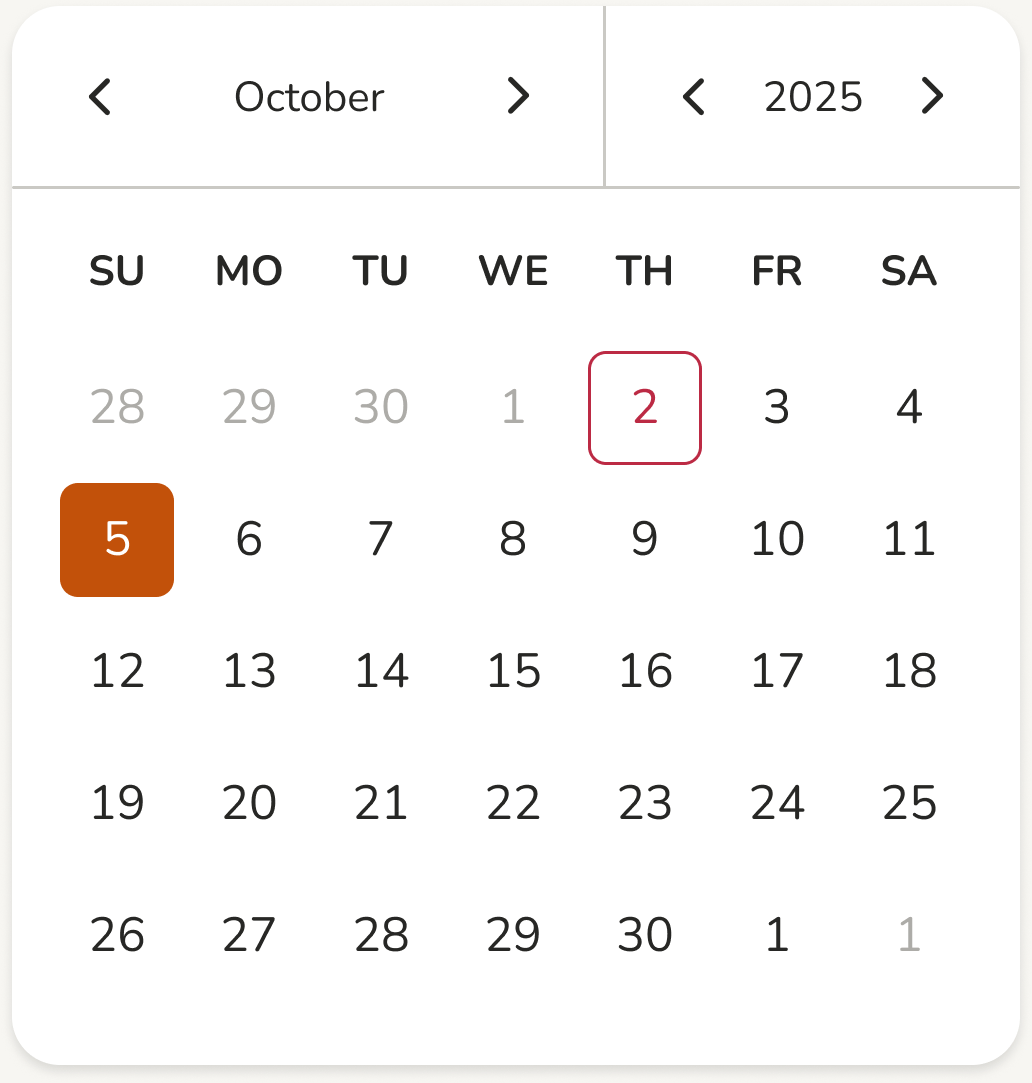
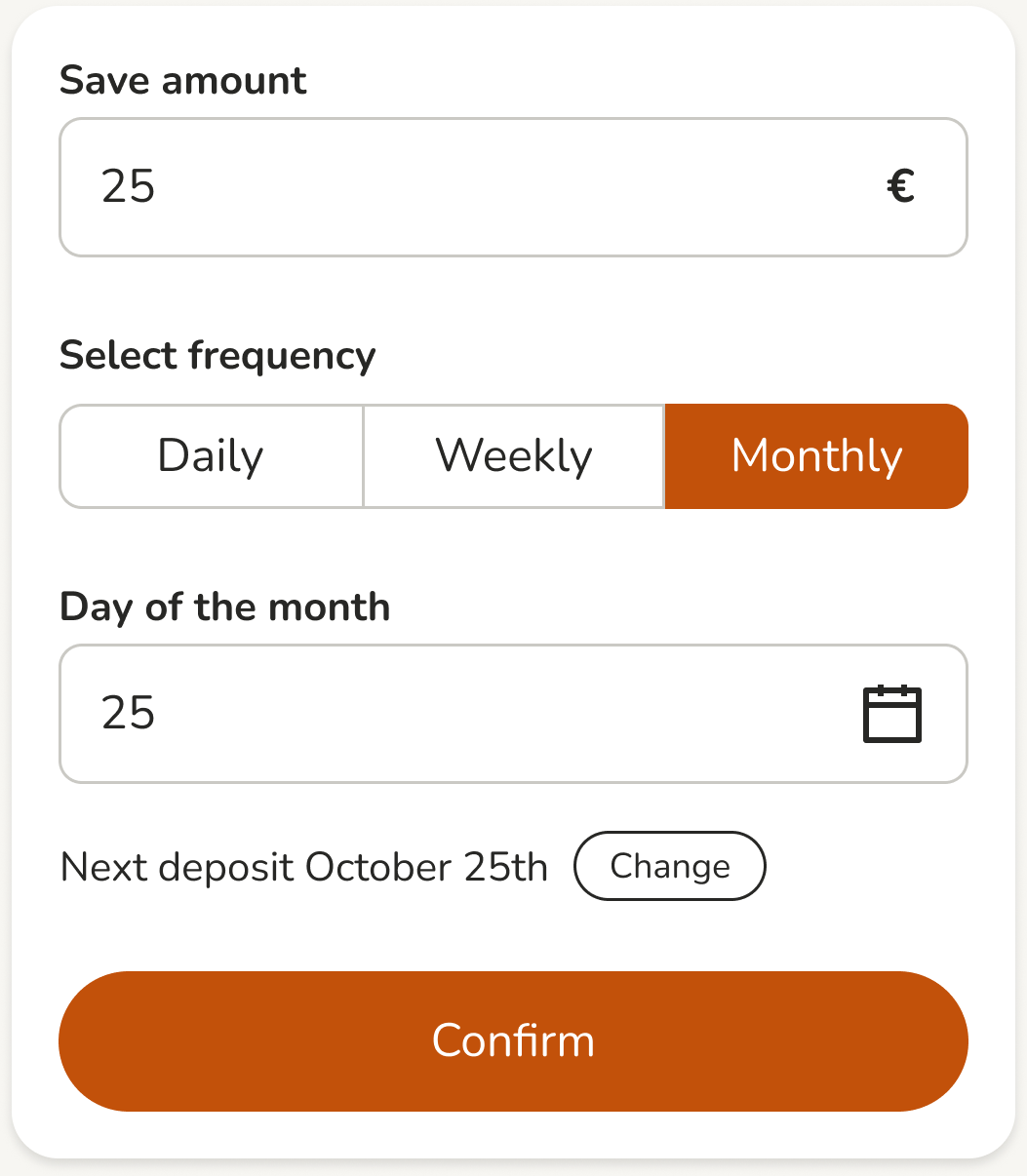
My work has impacted nearly all aspects of the app, from improving onboarding to rethinking how deposits should work and improving accessibility for date pickers. My approach has been iterative, backed by a strong user-testing culture within cross-functional teams. I have usually led or co-led projects, facilitated design sprints and workshops. I have been aligning business objectives with user needs to elevate both.

Improving Design Workflows
Creating a Design System to scale across brands
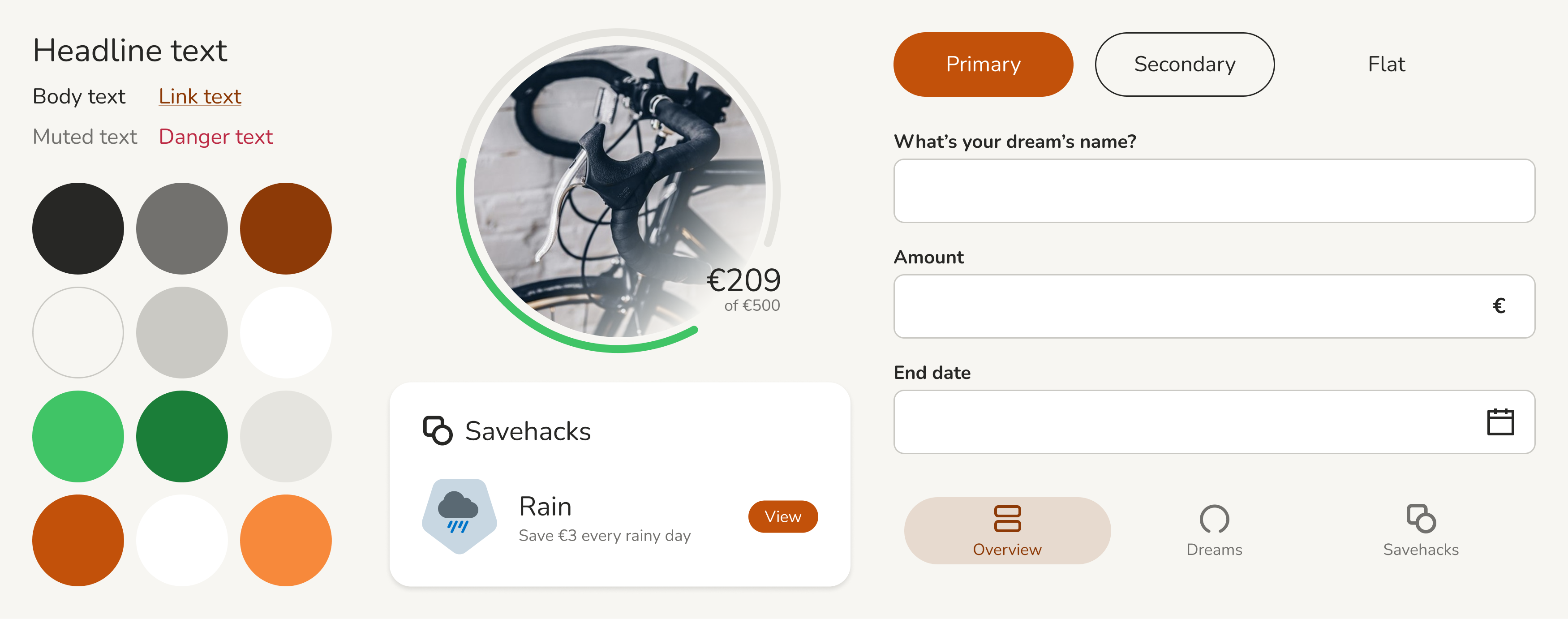
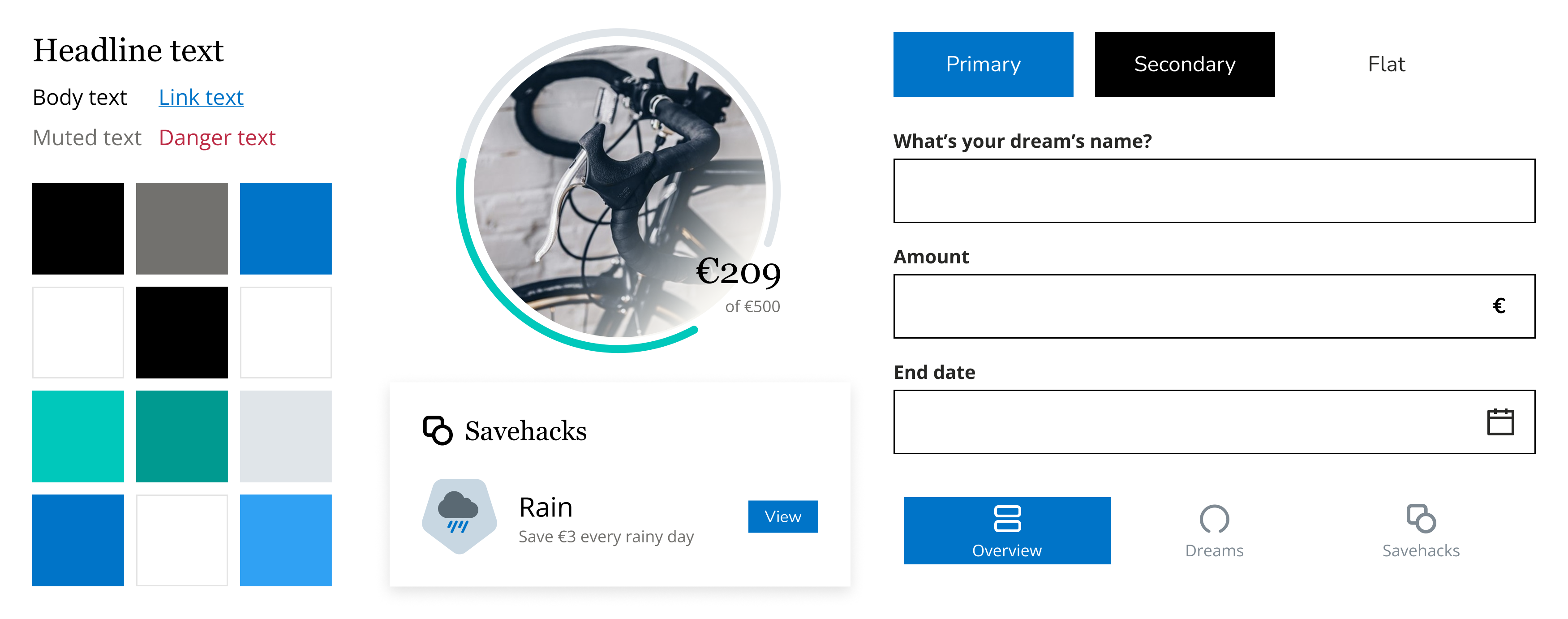
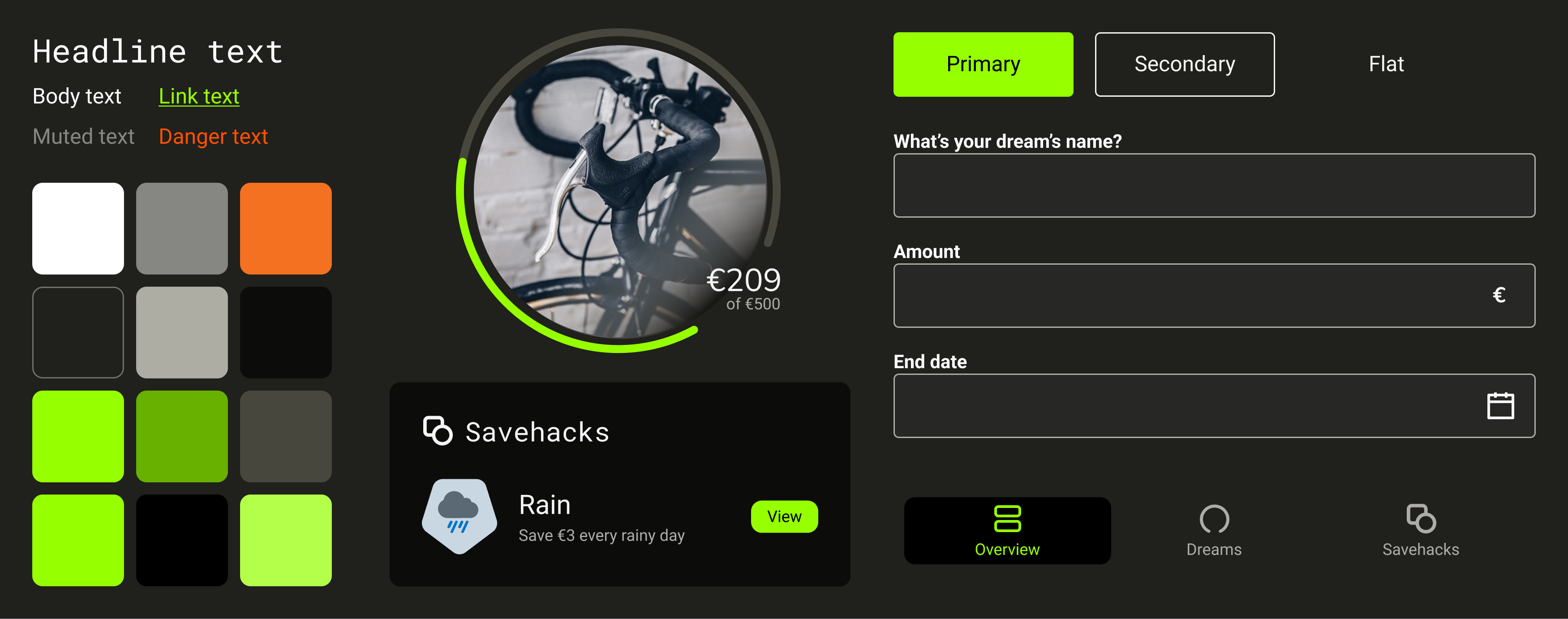
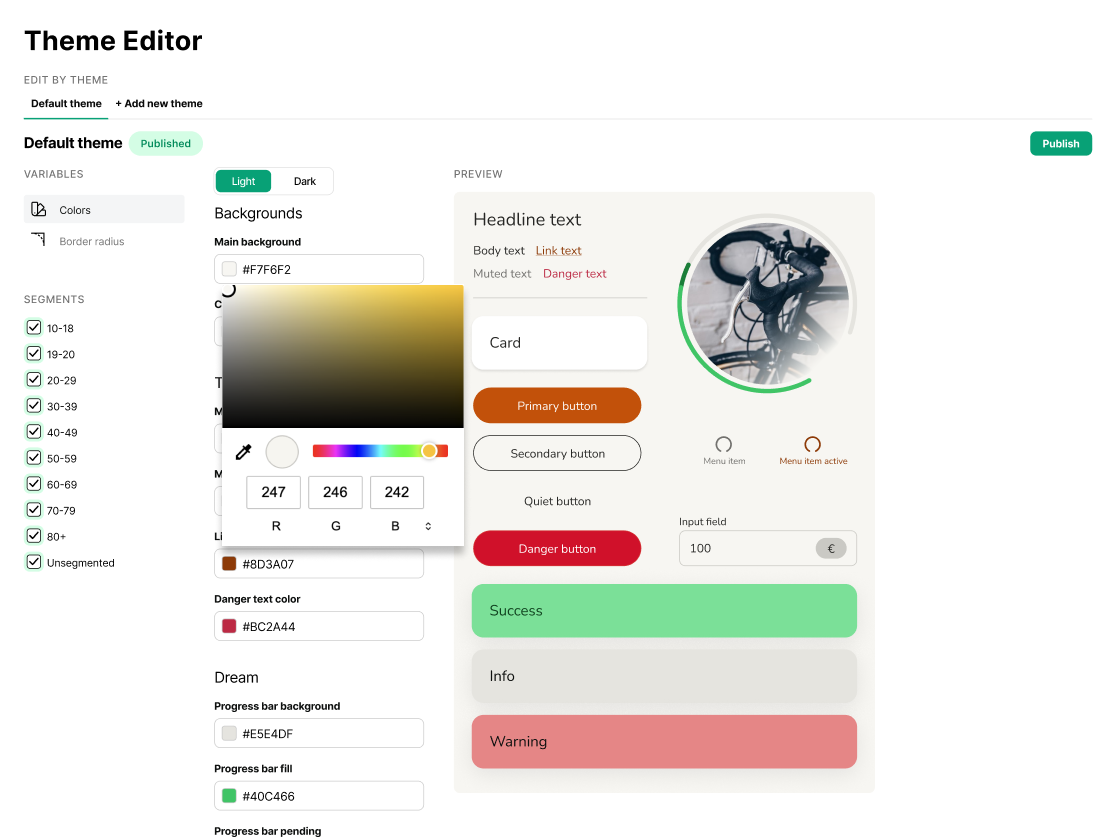
When I started, the design system in use was built for a single brand, inherited from the B2C days. Work on theming the codebase had started, but all Figma files were still based on a single brand and did not utilize Figma variables. To address the operational bottleneck of white-labeling designs manually, I re-architected our design system and file structure in Figma to be in sync with the theming in code. By shifting from a single-brand legacy architecture to a variable-driven Figma framework, I reduced branding implementation cycles from days to minutes.
There were some trade-offs with the approach I chose, such as requiring everything to live inside one main file. But the live-preview capability it enabled far outweighed the drawbacks for our use case.
- Before 1-2 days
- After 15-30 min
Estimate of how long it takes to make a Figma mockup with all the app’s main screens in a particular brand’s colors, fonts and style.

Incorporating AI from start to end
I have been improving our product development process with AI incorporation across our design workflow. From coded prototypes with working color pickers and live updates making user testing so much more realistic, to giving engineers a much faster starting point with more edge cases covered and a product built on code. This shift compressed our design-to-testing cycle from taking days or weeks into a few minutes, enabling rapid iteration on complex problem solving that was previously too expensive or slow to do.
AI has revolutionized my personal design process in multiple ways in the past couple of years. I use it to rapidly explore ideas, build prototypes in code, finalize deliverables and much more. I feel comfortable with shipping all the way to production if needed, much thanks to my developer background.
Case study
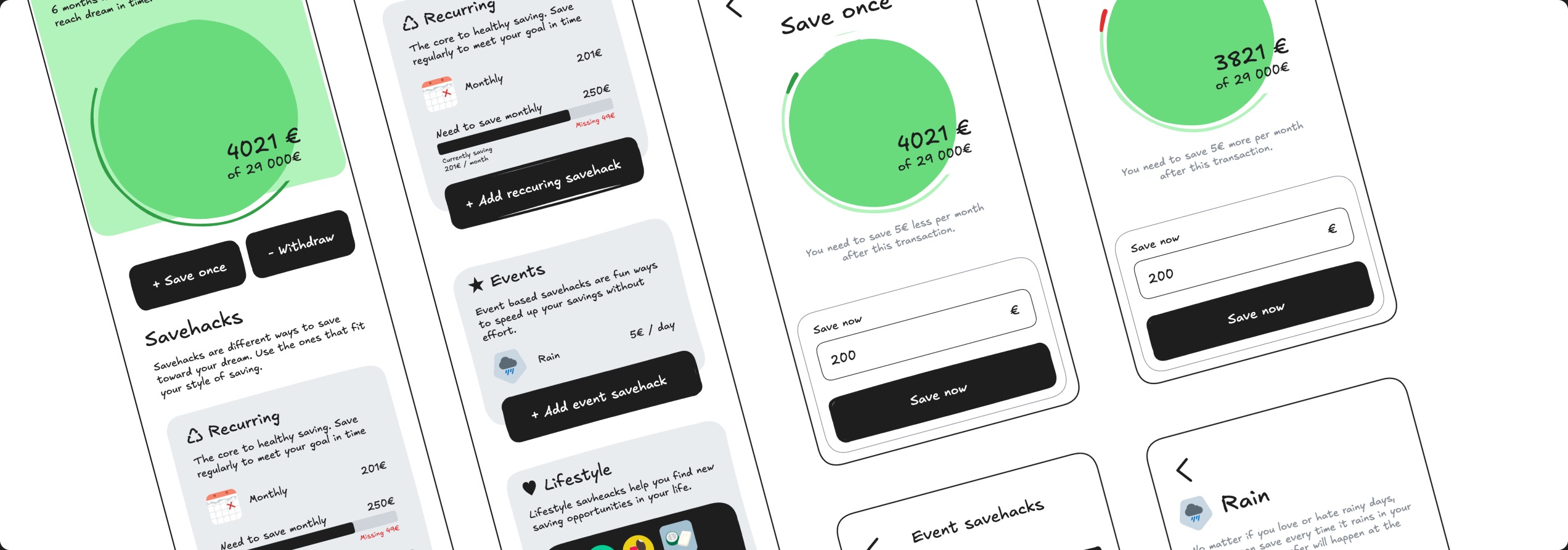
Improving Deposits
Learn more about how I work and how
I aligned user needs and banking priorities to drive shared success.